
Introduction to Greek Meatballs
Why Homemade Greek Meatballs Are a Game Changer
When it comes to whipping up a quick dinner, homemade Greek meatballs (or Keftedes) should top your list. These delicious bites are the epitome of comfort food, bursting with flavors from ingredients like fresh parsley, mint, and a hint of oregano. Not only do they promise juicy goodness, but making them at home allows you to adjust the spices and herbs to match your personal taste, which is hard to find in store-bought options.
Imagine hosting a dinner party or a cozy night in with friends, serving up a plate of golden-brown Greek meatballs alongside tangy tzatziki and warm pita. Impress your guests with your culinary skills, while enjoying the satisfaction that comes from creating something from scratch. Plus, there's something delightfully therapeutic about rolling those meatballs by hand, making the process as enjoyable as the outcome.
You can find more about the health benefits of homemade meals at Healthline, which outlines how cooking at home not only saves money but ensures you know exactly what goes into your food. By using lean meats and fresh herbs, you’re opting for a healthier alternative that can easily be tailored to fit dietary needs.
Dive into this recipe, and discover why these Greek meatballs will become a staple in your home!
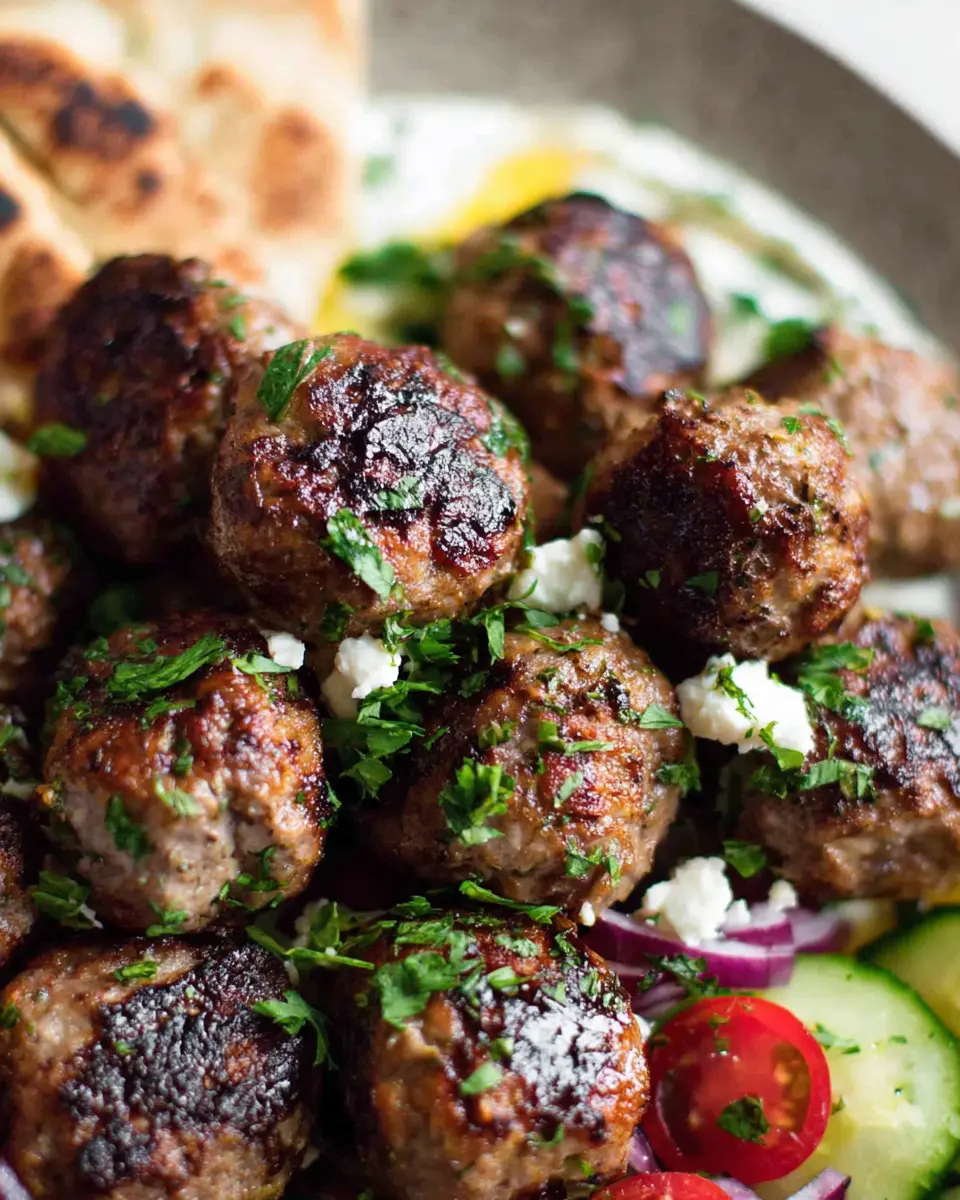
Ingredients for Greek Meatballs
Essential ingredients you'll need
To make delicious Greek meatballs (Keftedes), you’ll need a solid base of fresh ingredients. Here’s what you should have on hand:
- Ground Meat: A combination of beef and pork (or stick with just beef) - totaling about 1 pound.
- Red Onion: Freshly grated to add moisture and flavor.
- Garlic: A couple of cloves, minced for that irresistible aroma.
- Panko Bread Crumbs: This adds a crispy texture; regular breadcrumbs are fine too.
- Egg: Helps bind everything together.
- Fresh Herbs: Finely chopped parsley and mint for a touch of earthy freshness, along with dried oregano.
- Olive Oil and Seasoning: Extra virgin olive oil, salt, and black pepper to bring all the flavors out.
Optional ingredients for added flavor
Feel free to enhance your Greek meatballs with a few extra touches:
- Feta Cheese: Crumbling some feta into the mix adds a delightful creaminess and tang.
- Lemon Zest: A hint of citrus can brighten up the meatballs beautifully.
- Spices: Experiment with a pinch of cumin or cinnamon for a unique twist.
- Chili Flakes: Add a bit of heat if you like some spice!
For more inspiration and techniques on enhancing your Keftedes, check out resources like My Greek Dish. Enjoy the cooking process and let your creativity shine!
Preparing Greek Meatballs
Making Greek Meatballs (Keftedes) is not only a delightful culinary adventure but also a way to bring a taste of Greece right to your kitchen. Let’s break down the steps to ensure your meatballs are perfectly seasoned, juicy, and full of flavor!
Gather and prepare your ingredients
Before diving into the mixing and shaping, take a moment to gather all your ingredients. You’ll need:
- 1 red onion
- 500g beef mince (or lamb, if you prefer)
- 200g pork mince (or substitute with more beef)
- 2 garlic cloves
- 1 cup panko breadcrumbs
- 1 egg
- Fresh herbs (parsley and mint)
- Dried oregano
- Extra virgin olive oil, salt, and pepper.
Grating the onion right into a large bowl saves time and minimizes cleanup. Fresh herbs give a nice aromatic lift, so don't skip them! If you're interested in learning more about the benefits of fresh herbs, check out Herb Companion.
Mix the meatball mixture
Now comes the fun part! In your large bowl, combine your grated red onion, beef mince, pork mince, minced garlic, panko breadcrumbs, egg, chopped parsley, mint, oregano, olive oil, salt, and a crack of black pepper. Use your hands to mix the ingredients thoroughly until the mixture is cohesive and slightly smooth. This is where the magic happens—each ingredient will unite to create mouthwatering flavors.
For those looking to enhance their meatball game, consider refrigerating the mixture for about an hour. This chilling step allows the flavors to meld and makes shaping the meatballs easier.
Shape the meatballs
With your mixture well-mixed and chilled, it’s time to shape your meatballs! Grab a heaped tablespoon of the mixture and roll it into a ball between your palms. Aim for a uniform size, about the size of a golf ball, to ensure even cooking. This recipe makes around 32 to 35 meatballs, perfect for a gathering or meal prep for the week.
Cook the meatballs
Heat most of the olive oil in a large skillet over medium-high heat. Dredging each meatball lightly in flour helps achieve that beautiful golden crust. Cook the meatballs in batches, allowing them to brown for 5 to 6 minutes on each side. Once they’re perfectly browned, transfer them to a plate and cover them to keep them warm. This browning step locks in the moisture and flavor—trust me, it's worth it!
Explore alternate cooking methods
While the skillet method is traditional for Greek Meatballs, you might be curious about other ways to cook them. Baking is a great alternative! Simply spray the meatballs with olive oil and bake at 180°C (350°F) for about 20 minutes or until they are nicely browned. Each method has its charm; pan-frying leads to juicier meatballs, while baking can be a quicker, healthier option.
Now that you’ve mastered these steps, you're well on your way to enjoying delicious homemade Greek Meatballs. Pair them with tzatziki, a fresh salad, or even incorporate them into a pita for a delightful wrap. Happy cooking!
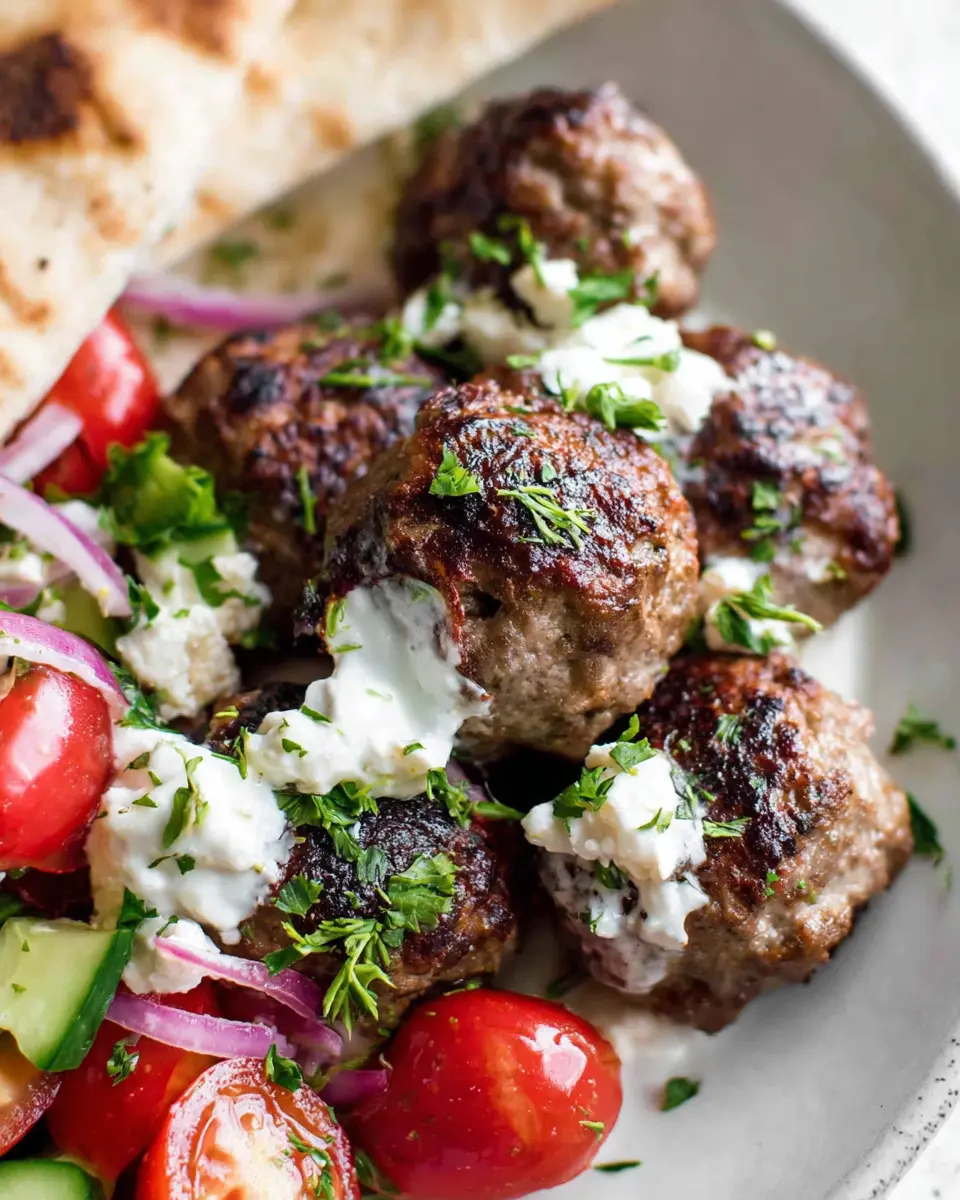
Variations on Greek Meatballs
Mediterranean-inspired variations
When it comes to Greek meatballs, the possibilities are endless! For a twist, try adding roasted red peppers or sun-dried tomatoes to the mix for a burst of flavor. You can also swap in feta cheese for a creamy, tangy bite. Feeling adventurous? Incorporate olives or capers for a briny touch that’s sure to impress at your next dinner party. Pair these variations with a Mediterranean-style dipping sauce to enhance those flavors!
Vegetarian adaptations for Greek meatballs
Don’t worry, vegetarians can savor the deliciousness of traditional Greek meatballs too! Substitute minced chickpeas or lentils for the meat and blend in fresh herbs like parsley and mint. For a cheesy kick, toss in some crumbled feta or mozzarella. You can even use quinoa for added texture and nutrition. Serve these veggie keftedes in pita with tzatziki for a satisfying meal that's just as hearty and flavorful.
Experimenting with these variations will not only honor the essence of Greek meatballs but also allow you to personalize them for your taste!
Cooking tips and notes for Greek Meatballs
Key tips for perfect meatballs
To achieve the juiciest Greek Meatballs, consider refrigerating the mixture for about an hour before shaping. This makes the mixture easier to handle and helps the flavors meld beautifully. Use fresh parsley and mint for a vibrant taste, and don’t skip the garlic—it's essential for that authentic flavor. When frying, aim for a medium-high heat and ensure your skillet has enough oil for a nice golden crust.
Common pitfalls to avoid
Avoid overmixing the meatball mixture, as this can lead to tough meatballs. If they’re falling apart during cooking, try adding a little more breadcrumbs. Overcrowding the pan can cause uneven cooking, so work in batches to get that perfect brown on each meatball. Remember, a little patience goes a long way in creating delicious Keftedes!
For more tips, check out Serious Eats for meatball-related wisdom!
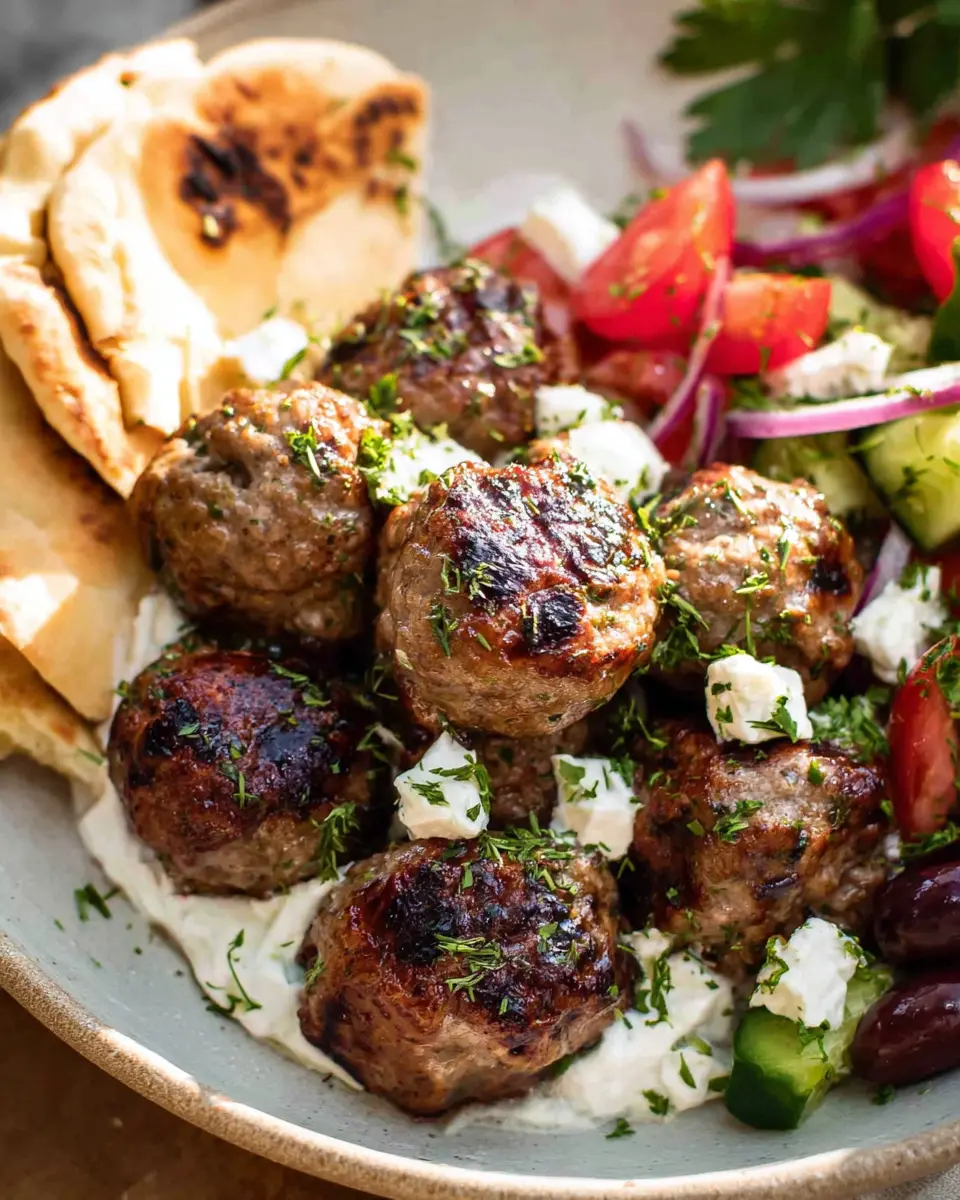
Serving suggestions for Greek Meatballs
Enjoying Greek Meatballs with a Mezze Platter
One of the delightful ways to serve Greek meatballs (keftedes) is as part of a vibrant mezze platter. Pair them with fresh pita bread, creamy tzatziki, olives, and assorted dips like hummus. This combination not only enhances flavors but also encourages sharing, making it perfect for gatherings with friends and family. Don't forget to add some crunchy veggies like cucumber slices and bell peppers to elevate your platter!
Meal Ideas to Pair with Greek Meatballs
If you're looking to make a meal, consider serving your Greek meatballs alongside a refreshing Greek salad bursting with tomatoes, cucumber, and feta cheese. Alternatively, try them in a wrap with your favorite sauces and veggies for an easy weeknight dinner. For a comforting twist, serve them over lemon rice pilaf or creamy mashed potatoes. The choices are endless, so get creative and enjoy!
Time Breakdown for Greek Meatballs
Preparation Time
Plan for about 20 minutes to whip up the meatball mixture. This includes grating the onion, combining ingredients, and rolling those delicious balls of goodness.
Cooking Time
Cooking them takes approximately 12 minutes if you choose the pan-frying method. If you prefer baking, you’ll need about 20 minutes at 180°C/350°F to get that perfect golden-brown exterior.
Total Time
All in all, you're looking at around 32 minutes from start to finish. Perfect for a quick dinner, right? Enjoy these juicy Greek meatballs and transform your mealtime into a delicious Mediterranean experience!
For more tips on enhancing your dishes, check out this resource on Greek cuisine for further inspiration.
Nutritional facts for Greek Meatballs
Calories per serving
Each serving of these delicious Greek Meatballs, or keftedes, contains approximately 500 calories. This makes them a satisfying main dish for dinner or a great addition to a mezze platter.
Protein content
These meatballs pack a punch with around 25 grams of protein per serving, making them a fantastic source of lean protein that supports muscle building and repair.
Health benefits
Not only are Greek Meatballs rich in protein, they’re also loaded with fresh herbs like parsley and mint, which offer numerous health benefits. These herbs can aid digestion and boost immunity. When paired with a side of tzatziki, you get the added benefits of probiotic-rich yogurt, supporting gut health and making this dish both tasty and nutritious. For more nutritional insights, check out this guide on healthy eating.
Enjoy this delightful dish guilt-free while savoring its robust flavors!
FAQs about Greek Meatballs
Can I freeze Greek meatballs?
Absolutely! Greek meatballs (Keftedes) freeze beautifully. If you're planning ahead, consider making a batch, allowing them to cool, and then placing them in an airtight container or freezer bag. They should maintain their juicy texture even after reheating. Just defrost in the refrigerator overnight and reheate in the oven or skillet until warmed through. This makes them a fantastic choice for meal prep or quick weeknight dinners!
What can I serve with Greek meatballs?
These delightful meatballs pair wonderfully with a variety of sides. Traditional options include a fresh Greek salad, fluffy rice pilaf, or warm pita bread. For a fun twist, consider serving them in wraps or as part of a mezze platter alongside tzatziki or hummus for dipping. They also work well atop pasta or couscous, creating a heartwarming dish full of Mediterranean flavors!
How do I make them less fatty?
To create leaner Greek meatballs, you can opt for lean cuts of beef or use ground turkey as an alternative. Reducing the amount of oil in the mixture or skipping the flour dredge can also help maintain a healthier profile. Additionally, baking rather than frying will help reduce the overall fat content while keeping the meatballs juicy!
Conclusion on Greek Meatballs
In summary, these flavorful Greek meatballs (Keftedes) are a delightful addition to any meal. With their juicy texture and aromatic blend of herbs, they're perfect as an appetizer or main dish. Pair them with tzatziki for an authentic touch. Enjoy this recipe, and share the joy of Greek cooking with friends and family!
Greek Meatballs (Keftedes)
Equipment
- Large bowl
- Skillet
Ingredients
Meatballs
- 1 medium red onion grated
- 500 g beef mince (or lamb, 1 lb)
- 200 g pork mince (or more beef, 6.5 oz)
- 2 cloves garlic minced
- 1 cup panko breadcrumbs (or use normal, 60g)
- 1 egg
- ¼ cup fresh parsley finely chopped
- 6 large mint leaves finely chopped (spearmint if possible)
- ½ teaspoon dried oregano
- 1 tablespoon extra virgin olive oil
- ¾ teaspoon salt
- black pepper to taste
Cooking / Serving
- ½ cup flour any white
- 3 tablespoon olive oil
- finely chopped parsley optional, for garnish
- Tzatziki or Greek yoghurt
Instructions
Preparation
- Grate the onion into a large bowl, then add remaining Meatball ingredients. Mix well for a few minutes until smooth and combined.
- Optional: Refrigerate for 1 hour to make them easier to roll.
- Measure heaped tablespoons and dollop onto a work surface – should make around 32 – 35. Roll into balls.
Cooking
- Heat most of the oil in a large skillet over medium-high heat. Use enough oil to cover the skillet surface.
- Cook in batches: Dredge meatballs in flour, shaking off the excess, then place in the skillet. Cook for 5 – 6 minutes until browned. Remove and keep warm.
- Alternatively, spray with oil and bake at 180C/350F for 20 minutes or until browned.
- Serve as a mezze platter starter or with a salad for dinner.



Leave a Reply