
Introduction to Authentic Tonkatsu
What is Tonkatsu and Why is it Beloved?
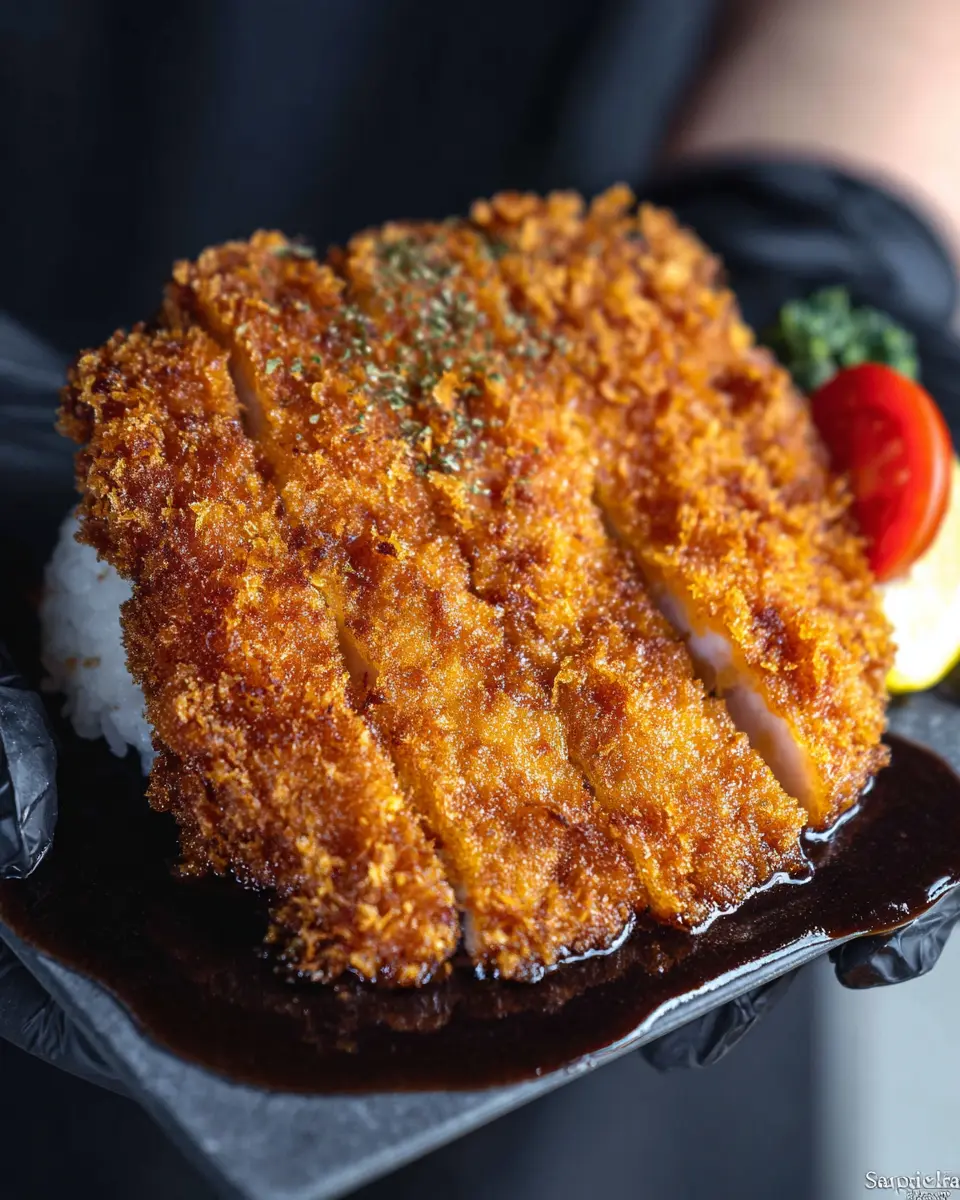
Tonkatsu (とんかつ) is more than just food; it’s an experience that offers a delightful bite of Japanese tradition. This authentic tonkatsu dish features thick cuts of pork loin or rib chops, breaded using panko — those airy, crunchy breadcrumbs that elevate the dish's texture beyond anything you'll find in Western-style cutlets like schnitzel. The contrast of the crispy exterior and juicy, succulent meat creates a harmony of flavors that is simply irresistible.
Why do people adore tonkatsu? First, it’s a comfort food staple, often served as part of a teishoku set with fluffy steamed rice, shredded cabbage, and a savory-sweet tonkatsu sauce that ties it all together. For many, tonkatsu invokes memories of family dinners or outings in bustling restaurants, making it a beloved culinary cornerstone in Japan.
Outside of Japan, tonkatsu has found its way into the hearts (and stomachs) of food enthusiasts worldwide, inspiring variations like katsu curry or katsudon. Whether you're trying it for the first time or perfecting your technique, nothing compares to crafting your own authentic tonkatsu at home. So, let’s dive into the process—your taste buds are in for a treat!
Ingredients for Authentic Tonkatsu
Key ingredients for your tonkatsu masterpiece
To create an authentic tonkatsu, you'll need a few essential ingredients that make all the difference:
- Beef: Choose thick-cut boneless rib chops or pork loin for the best flavor and moisture. A thickness of about 2 cm (¾ inch) is ideal to ensure a juicy cutlet.
- Panko breadcrumbs: These Japanese-style breadcrumbs are a must! Their larger, airier flakes create that signature crunch that we all love. You can also make your own by processing stale bread.
- Cooking oil: Opt for a neutral oil like rice bran or canola oil, which has a high smoke point and won’t interfere with the meat's flavor. If you're feeling adventurous, a bit of lard can be infused into the oil!
Optional ingredients for added flavor
While the foundational ingredients are critical, consider adding a few optional items to elevate your tonkatsu:
- Salt and pepper: A simple seasoning of salt and black pepper can enhance the meat’s flavor before breading.
- Garlic powder or onion powder: Sprinkle these into your flour for a touch of extra zing.
- Fresh herbs or spices: Try adding a pinch of paprika or dried herbs for a unique twist.
With these ingredients in hand, you’re well on your way to crafting delicious, restaurant-quality tonkatsu! For more Japanese recipes, check out Sudachi Recipes for inspiration.
Step-by-step Preparation of Authentic Tonkatsu
Creating authentic tonkatsu is an enjoyable culinary experience that will transport your taste buds straight to Japan. Follow these steps closely to ensure your tonkatsu turns out crispy, juicy, and delightfully satisfying.
Gather your ingredients
The first step to crafting your authentic tonkatsu is assembling all your necessary ingredients. You'll need:
- Pork: Opt for thick-cut boneless pork chops (about 2-2.5 cm thick) for that tender bite.
- Panko breadcrumbs: This is crucial for that airy crunch! Look for Japanese-style panko for the best texture.
- Dredging essentials: All-purpose flour and eggs will help your breadcrumbs stick perfectly.
- Cooking oil: A neutral oil such as rice bran or canola is ideal for frying.
- Tonkatsu sauce: Making your own from scratch can elevate your dish even more!
Before you start, give yourself a quick inventory check to ensure you have everything you need. Nothing derails a cooking process like running out of an essential ingredient!
Prepare the pork for frying
To ensure even cooking, start by flattening the pork chops gently using a meat mallet. This also helps tenderize the meat, making it more succulent. After flattening, season both sides lightly with salt and pepper. This step is where the flavors begin to build, so don’t skip it! Let the pork rest for about 15 minutes to allow the seasoning to penetrate.
Set up your dredging station
Next, create a dredging station. This will consist of three shallow dishes:
- Flour: In the first dish, add all-purpose flour.
- Eggs: In the second dish, beat a couple of eggs until smooth. You can also mix in a splash of water.
- Panko breadcrumbs: Finally, place your panko in the third dish.
This setup allows for a smooth coating process that minimizes mess and maximizes efficiency.
Deep-fry the tonkatsu to perfection
Heat your oil in a deep frying pan or pot to around 170-180°C (340-360°F). To check if your oil is ready, drop in a small piece of panko; it should sizzle and rise to the surface. Now, coat each pork chop in flour, dip it into the egg, and then press it into the panko until fully coated.
Carefully slide your coated pork into the hot oil, frying for about 4-5 minutes on each side until golden brown and crispy. Don't overcrowd the pan; do it in batches if necessary. Cooking too many at once can drop the oil temperature, leading to soggy batter.
Resting and draining the tonkatsu
Once your tonkatsu is beautifully golden, remove it from the oil and place it on a wire rack (or paper towels) to drain excess oil. Allow your cutlets to rest for about 5 minutes. This resting period is essential for the juices to redistribute within the meat, ensuring that first bite is both crispy and juicy.
Now that you've followed these steps, you're only moments away from enjoying your homemade tonkatsu! Serve with tonkatsu sauce and a side of shredded cabbage for a complete experience. Happy cooking!
Variations of Authentic Tonkatsu
Chicken Tonkatsu for a lighter option
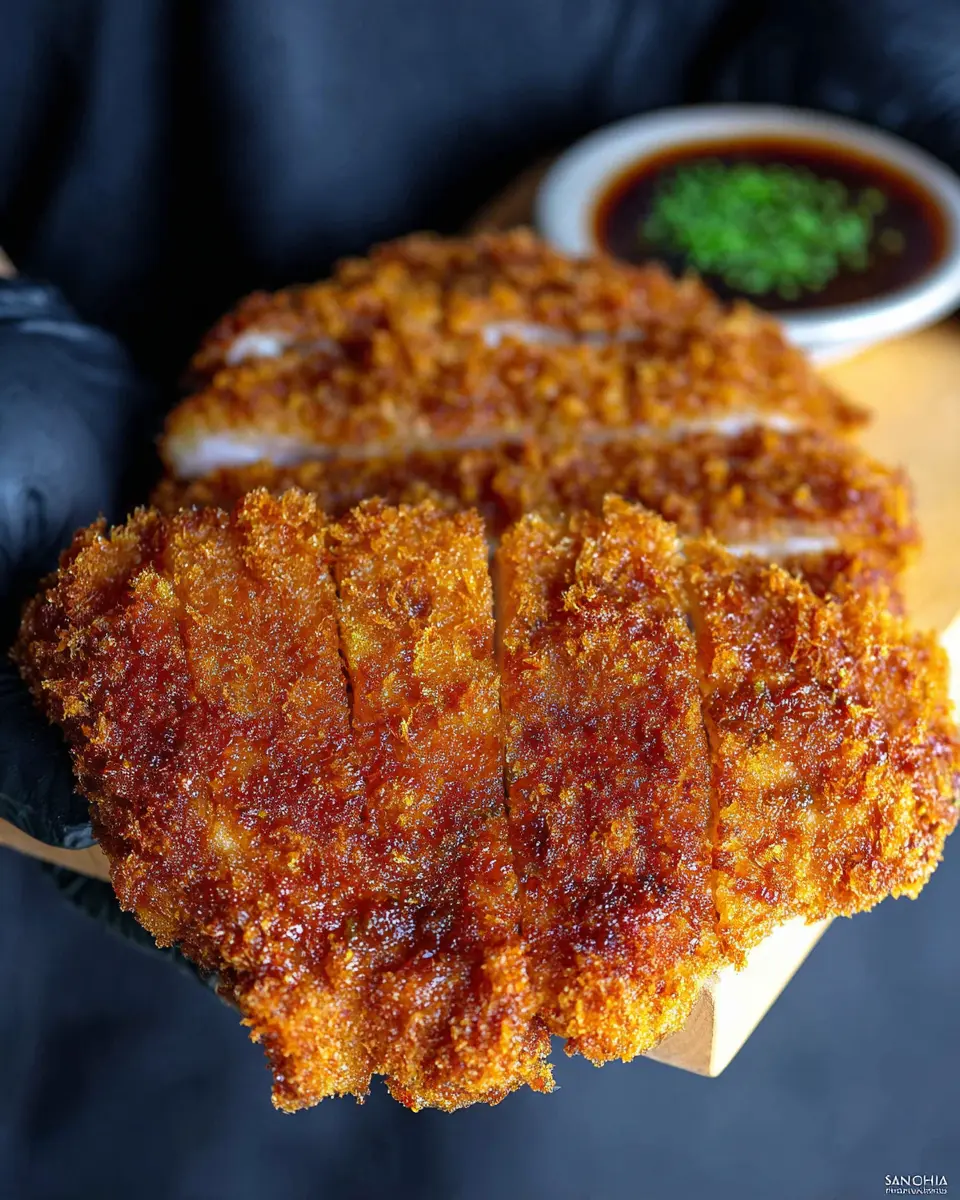
If you’re looking for a leaner yet just as delicious alternative, try chicken tonkatsu. Simply substitute pork with boneless chicken breasts, following the same breading and frying method. The result is a crispy, savory treat that’s lighter but still packed with flavor. Serve it over a bed of shredded cabbage and drizzle with homemade tonkatsu sauce for that authentic touch.
Vegetable Katsu for a colorful twist
Feeling adventurous? Go for vegetable katsu! Slice up some eggplant, zucchini, or sweet potatoes, and coat them in the same panko crumb mixture. These colorful variations not only look appealing but also provide a delightful crunch. Pair them with a tangy dipping sauce, and you've got a fantastic vegetarian option that everyone will love. Check out this recipe for more ideas on vegetable katsu!
Whatever variation you choose, you're sure to impress your friends and family with these creative takes on authentic tonkatsu.
Cooking Tips and Notes for Authentic Tonkatsu
Ensuring That Perfect Crunch
To achieve that signature crunch in your authentic tonkatsu, opt for high-quality Japanese panko breadcrumbs. These airy flakes create a crispy coat that lasts longer than regular breadcrumbs, making each bite delightful. Don’t rush the dredging process—ensure your pork is well-coated with flour, dipped in egg, and then generously covered in panko. This layering is crucial for that unbeatable texture.
Tips for Managing Oil Temperature
Oil temperature is key when frying your tonkatsu. Use a thermometer to keep the oil around 170–180°C (340–360°F) for optimal frying. Too hot? You’ll burn the breadcrumbs; too cool? The pork will become greasy. A good test? Drop a small piece of bread into the oil; it should sizzle and brown in about 30 seconds. If you want to deepen your cooking skills, read more about managing oil temperature here.
Following these tips will help you enjoy perfect tonkatsu that’s a showstopper at any dinner table!
Serving Suggestions for Authentic Tonkatsu
Classic Accompaniments for a Complete Meal
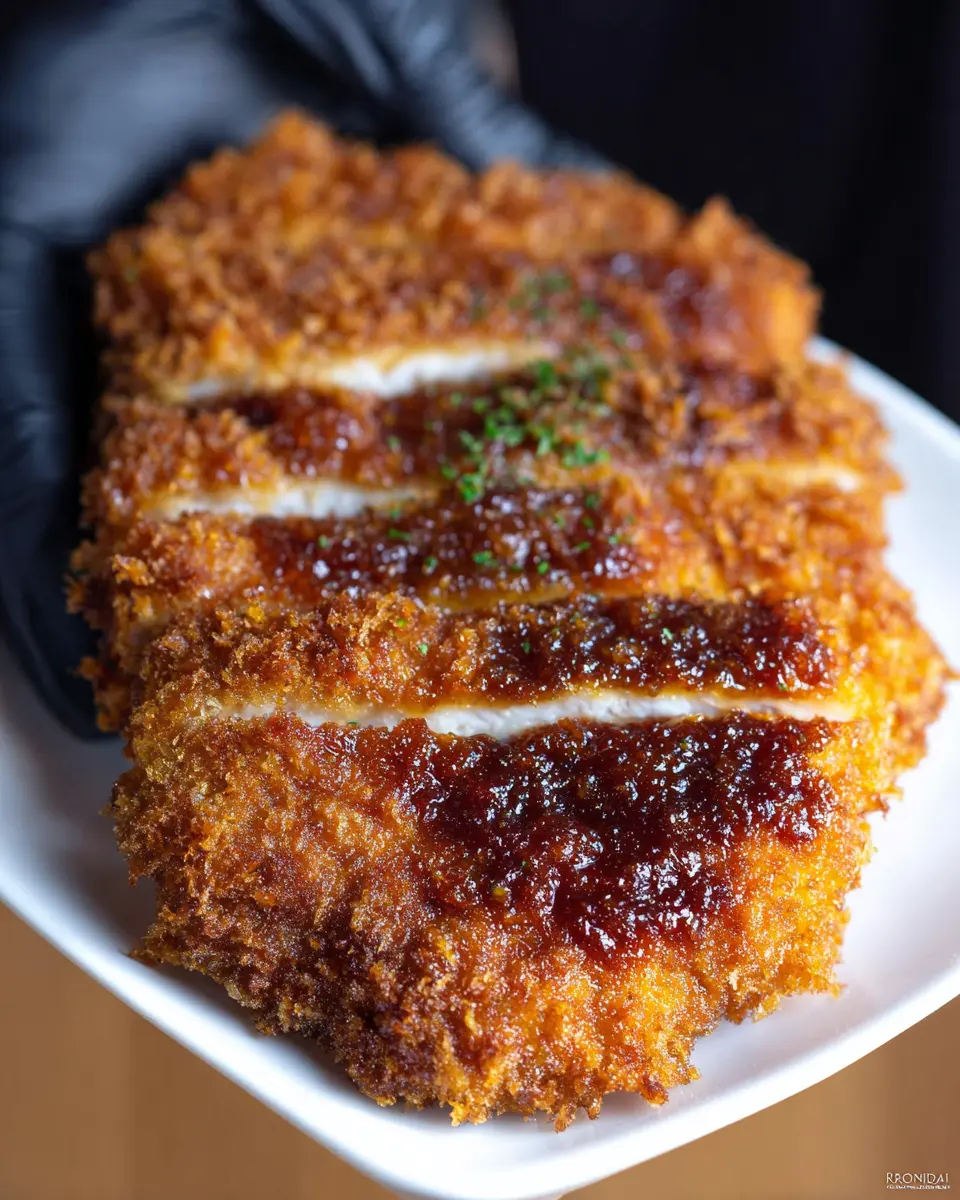
To complement your authentic tonkatsu, traditional accompaniments are a must. Serve your crispy cutlet with a side of freshly shredded cabbage, which adds a refreshing crunch. Pair it with a bowl of fluffy steamed rice and a warming bowl of miso soup for a nourishing experience. Don’t forget to include some tangy pickles like tsukemono to balance the richness of the pork. These staples create a harmonious and satisfying meal that showcases the balance and depth of Japanese cuisine.
Creative Serving Ideas to Impress Guests
Want to elevate your tonkatsu presentation? Consider slicing the cutlet into bite-sized pieces and arranging them atop a bed of colorful mixed greens for a gourmet twist. Drizzle your homemade tonkatsu sauce artistically over the top to highlight the sauce’s rich color. For an added wow factor, serve alongside a small bowl of wasabi or a tangy dipping sauce. This not only enhances the dining experience but also impresses your guests with your culinary flair! You can also check out tips on Japanese plating techniques for more inspiration.
Time Breakdown for Authentic Tonkatsu
Preparation Time
Get set to create your very own authentic tonkatsu! The preparation time for this delicious dish is about 20 minutes. This includes gathering your ingredients, setting up your dredging station, and preparing the pork.
Cooking Time
Once you're prepped and ready, cooking your tonkatsu will take around 10-15 minutes. This involves frying the breaded cutlets until they reach that perfect golden brown.
Total Time Required
In total, you'll need approximately 30-35 minutes to go from prep to serving your sumptuous tonkatsu. That’s a small investment for homemade culinary delight! Enjoy every crispy bite and consider serving it alongside a homemade sauce for an unforgettable experience. For a deeper dive into sauces, check out this handy guide on making your own tonkatsu sauce.
By breaking down the timing, you can manage your cooking flow without any rush, allowing you to savor the process as much as the final dish!
Nutritional Facts for Authentic Tonkatsu
Calories per serving
An average serving of authentic tonkatsu packs around 450-500 calories. This can vary based on the cut of beef and the oil used for frying. Pair it with fresh vegetables for a more balanced meal!
Protein content
Authentic tonkatsu provides an impressive protein boost with approximately 30-35 grams of protein per serving. This makes it a hearty option for those looking to fuel up after a workout.
Recommended daily values
In one serving, you can expect about 50% of your recommended daily protein intake, alongside essential vitamins and minerals from the accompanying sides. Incorporating tonkatsu into a varied diet can help you meet nutritional goals while enjoying delicious flavors. For more insights into balanced eating, you might find resources like the USDA Dietary Guidelines helpful!
FAQs about Authentic Tonkatsu
Can I use different meats for tonkatsu?
Absolutely! While traditional authentic tonkatsu is made with pork, you can experiment with other meats. Popular alternatives include chicken, beef, or even turkey bacon for a twist. Each type of meat will bring its own unique flavors and textures to the dish, so feel free to get creative!
What sauces pair well with tonkatsu?
The classic tonkatsu sauce is a must-have, providing a tangy and slightly sweet complement to the crispy cutlet. If you’re looking for something different, try a drizzle of Japanese mayo or a splash of soy sauce. A simple ponzu sauce can also add a refreshing citrusy kick!
How do I store leftover tonkatsu?
To keep your leftover tonkatsu crispy, store it in an airtight container in the refrigerator for up to three days. Reheat it in an oven or an air fryer instead of the microwave to maintain that delightful crunch. If you want to preserve the flavors longer, consider freezing it, though the texture may change slightly after thawing.
Conclusion on Authentic Tonkatsu
Making authentic tonkatsu at home is a rewarding experience that brings a taste of Japan right to your kitchen. With its crispy exterior and juicy center, this dish is sure to impress your friends and family. Embrace the process, enjoy the flavor, and elevate your home-cooked meals!
Why You Should Try Making Tonkatsu at Home
Cooking authentic tonkatsu at home not only allows you to customize every element—from the thickness of the pork to the tanginess of your tonkatsu sauce—but it also deepens your understanding of Japanese cuisine. By making this dish yourself, you can achieve restaurant-quality results, ensuring that your breading is always crisp and your pork is tender. Plus, there's a certain satisfaction that comes from mastering a classic dish!
Beyond impressive flavors, making tonkatsu is a fun cooking project that can bring friends and family together. Try hosting a tonkatsu night and let everyone personalize their own cutlet with different sauces and sides. You'll create lasting memories while sharing a delicious meal that reflects the heart of Japanese home cooking.
By starting your culinary journey with tonkatsu, you’ll explore a delicious piece of culture while honing your cooking skills—and who knows, this could be the gateway to even more exciting Japanese recipes. If you're inspired, don't hesitate to check out more about yoshoku dishes here. Happy cooking!
Authentic Tonkatsu (Japanese Pork Cutlet) with Homemade Sauce
Equipment
- Wire Rack
- deep frying pan
- Food Processor
Ingredients
Pork
- 2 pieces boneless thick-cut pork chops 2-2.5 cm thick
Breading
- 1 cup Japanese panko breadcrumbs for a lighter crunch
- 1 cup all-purpose flour
- 2 large eggs beaten
Cooking Oil
- 3 cups neutral frying oil such as rice bran
Instructions
Preparation
- Prepare the pork by patting it dry and seasoning with salt and pepper.
- Set up a dredging station with three bowls: one with flour, one with beaten eggs, and one with panko.
- Coat each chop first in flour, then dip in eggs, and finally cover in panko, pressing down to adhere.
Cooking
- Heat oil in a deep frying pan over medium heat.
- Once hot, gently lower the breaded pork into the oil.
- Fry each side for about 5-7 minutes until golden brown and cooked through.
- Remove and place on a wire rack to drain excess oil.
Serving
- Serve the tonkatsu sliced, with tonkatsu sauce drizzled on top, and accompanied by shredded cabbage and rice.

Leave a Reply