
Introduction to Pad Thai
What is Pad Thai and Why is it a Favorite?
If you’ve ever savored the delightful flavors of Thai cuisine, you’ve likely encountered Pad Thai. This beloved dish is a stir-fried noodle concoction that beautifully marries the richness of flavors—think sweet, savory, and tangy—all in one mouthful. Traditionally, it features rice noodles, protein (usually chicken, shrimp, or tofu), crisp vegetables, and a unique sauce crafted with tamarind, fish sauce, and sugar.
So, what makes Pad Thai so irresistible? For many, it’s the perfect combination of textures and tastes: the soft noodles, crunchy peanuts, and fresh bean sprouts create a symphony for your palate. Additionally, it's versatile and can be tailored to suit your dietary preferences, making it a popular choice among food enthusiasts. Plus, when made right, Pad Thai can be as comforting as grabbing takeout without even leaving your kitchen!
Craving to whip up your own delicious Pad Thai? You’re in luck! Learn more about the rich culinary history of Pad Thai and let's dive into the recipe that promises to deliver a takeout-quality meal right at home.
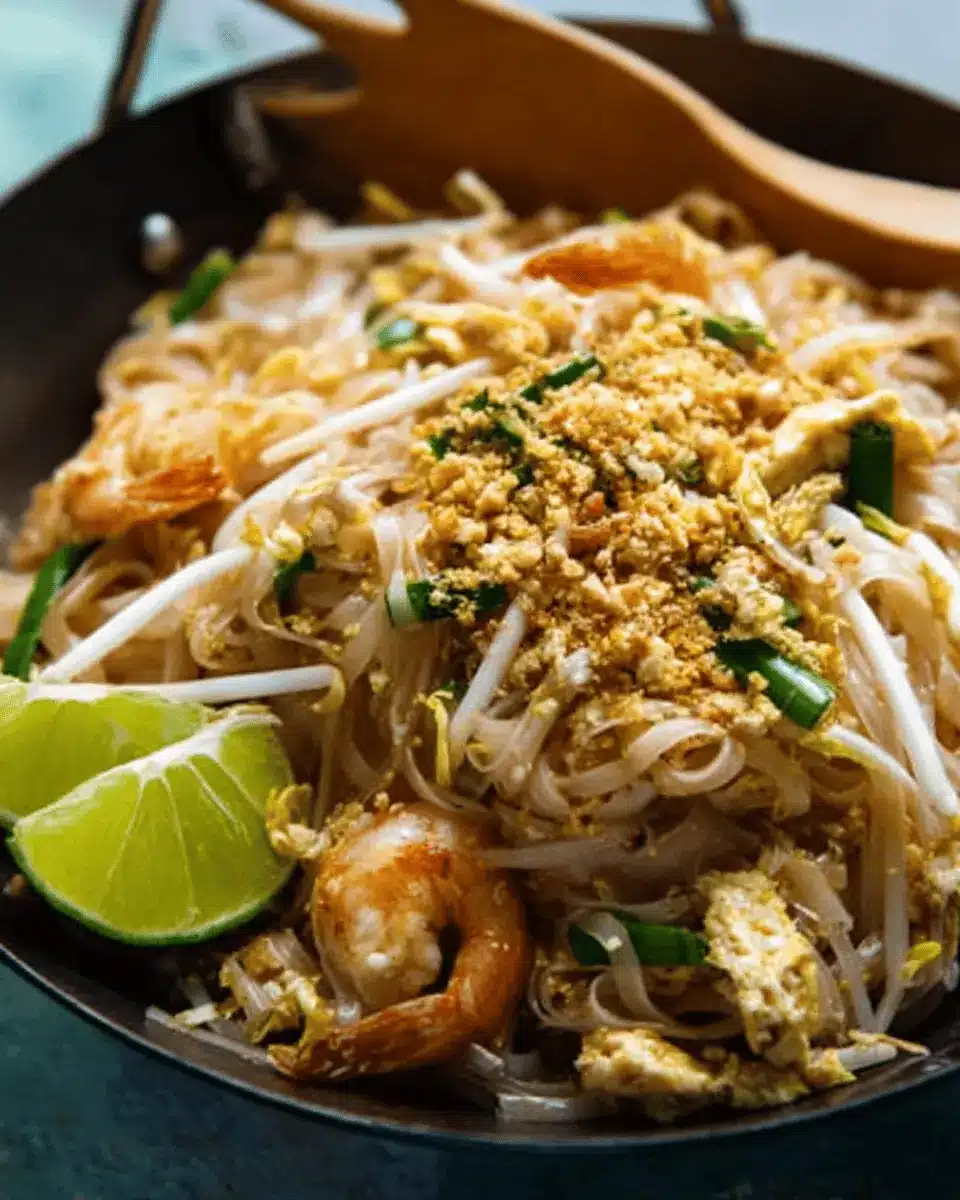
Ingredients for Pad Thai
Essential components of a delicious Pad Thai
Making a flavorful Pad Thai at home is all about using the right ingredients. Here’s what you’ll need for that authentic taste:
- Rice Noodles: Look for Chang’s Pad Thai dried rice sticks. They maintain their structure and absorb flavors beautifully.
- Tamarind Puree: This is the heart of Pad Thai. A good quality tamarind puree adds that tartness essential for the dish.
- Sauces: You'll need fish sauce and oyster sauce, both of which contribute to the umami flavor.
- Fresh Veggies and Proteins: Use crispy bean sprouts, fresh garlic chives, and your choice of protein—be it chicken, shrimp, or tofu.
Each ingredient plays a crucial role in balancing the sweet, tangy, and savory notes of this classic dish.
Recommended brands and sourcing tips
Shopping for Pad Thai ingredients doesn't have to be overwhelming. For rice noodles, Chang’s is a standout option widely available in grocery stores. If you're unsure about tamarind puree, check the Asian aisle or local Asian markets—look for brands like Tamicon or Super Tower for quality options.
For sauces, brands like Kikkoman make trustworthy fish and oyster sauces. Don't hesitate to explore specialty Asian markets, where you might find unique local brands that could elevate your dish even further!
Have questions? Check out Serious Eats for deeper insights into Asian cooking ingredients!
Preparing Pad Thai
Making a delicious Pad Thai at home is simpler than you might think! With just a few key steps, you'll have a restaurant-quality dish on your table in no time. Let's walk through the preparation together.
Soak the rice noodles
Start by placing your Chang’s Pad Thai dried rice sticks in a large bowl. Pour over plenty of boiling water to fully immerse the noodles. Let them soak for about 5 minutes. This soaking process is crucial as it softens the noodles without making them mushy. After 5 minutes, drain the noodles in a colander and quickly rinse them under cold water. This helps stop the cooking process and prevents them from sticking together. Remember, don’t leave them sitting for more than 10 minutes!
Mix the Pad Thai sauce
While your noodles are soaking, it’s time to prepare the sauce that gives Pad Thai its signature flavor. In a small bowl, mix together 1½ tablespoons of tamarind puree, 3 tablespoons of packed brown sugar, 2 tablespoons of fish sauce, and 1½ tablespoons of oyster sauce. This sauce is the heart of your dish, and you can find all these ingredients at your local supermarket, especially in the Asian section. For a deeper dive into tamarind and its benefits, check out Healthline’s article on tamarind.
Sauté the aromatics
Next, heat 2 tablespoons of vegetable or canola oil in a large non-stick pan over high heat. Once the oil is hot, add sliced onions and finely chopped garlic. Sauté for about 30 seconds until fragrant. This step builds the aromatic foundation of your Pad Thai, inviting delightful flavors to your meal.
Cook the chicken and scramble the eggs
Add 150 grams (or about 5 ounces) of thinly sliced chicken breast to the pan. Cook it for about 1½ minutes or until it’s mostly cooked through. Push the chicken to one side of the pan and pour in lightly whisked eggs on the other side. Scramble the eggs with your wooden spoon, cooking them until fully set—this should only take a minute. Once done, mix them back into the chicken.
Combine everything in the pan
It’s time to bring all the elements together! Add the soaked rice noodles, bean sprouts, and tofu to the pan. Pour your prepared sauce over the mix and gently toss everything together for about 1½ minutes. You want the noodles to absorb that flavorful sauce, which is what makes Pad Thai so delectable.
Final add-ins and serving prep
Before serving, toss in some garlic chives and half of your chopped peanuts. Give it a quick mix before removing the pan from heat. For serving, place your Pad Thai on plates, garnishing it with the remaining peanuts, lime wedges, extra bean sprouts, and a sprinkle of ground chili or cayenne pepper if you like a bit of heat. Squeeze fresh lime juice over the top to taste—this brightens the dish and adds a refreshing touch.
There you have it—your homemade Pad Thai! Enjoy this restaurant-quality dish with friends or family; they’ll be impressed with your culinary skills!
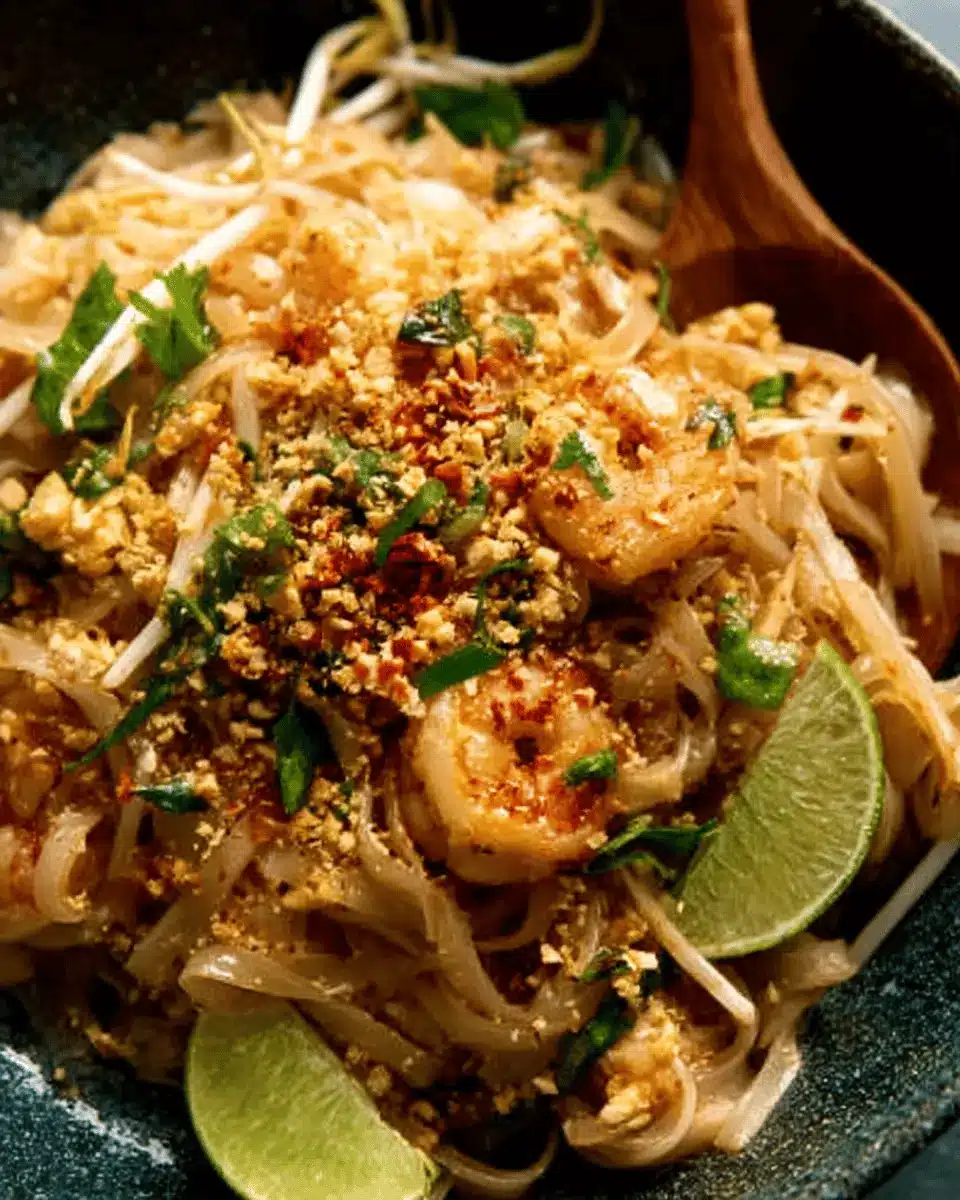
Variations on Pad Thai
Vegetarian and Vegan Options
You can easily adapt Pad Thai to suit vegetarian and vegan diets by substituting protein sources. Instead of chicken, try using firm tofu for a hearty texture, or even tempeh for some extra protein. Replace fish sauce with soy sauce or a homemade vegan alternative, and ensure your tamarind puree doesn't contain any animal products. By using vegetables like bell peppers, broccoli, and carrots, you can create a vibrant and flavorsome vegetarian Pad Thai that everyone will love!
Seafood Pad Thai for Seafood Lovers
For those who crave a taste of the ocean, Seafood Pad Thai is a delightful twist. Simply swap chicken for a mix of shrimp, squid, or even crab to add a maritime flair. Sauté your seafood just until cooked through, ensuring it remains tender and juicy. The balance of tamarind sauce with the richness of seafood creates an unforgettable dish that takes your Pad Thai experience to the next level. Want to explore more seafood ideas? Check out resources on fresh seafood pairings!
Cooking Tips and Notes for Pad Thai
Common pitfalls to avoid
When making Pad Thai, one common mistake is over-soaking the noodles. They should only sit in boiling water for about 5 minutes. Also, be careful not to overcrowd your pan. Stir-frying in batches helps achieve that coveted smoky flavor. Lastly, don’t skip the lime wedges – they elevate the dish remarkably when squeezed over the final serving.
Ingredient substitutions for Pad Thai
If you can't find certain ingredients, don’t fret! You can substitute tamarind puree with a mix of ketchup, brown sugar, and fish sauce for a similar flavor base. If you’re short on garlic chives, green onions or shallots can work as a tasty alternative. For a vegetarian twist, feel free to swap chicken with your favorite protein, such as tofu or tempeh.
For more tips on Thai cuisine, check out Serious Eats for a comprehensive guide!
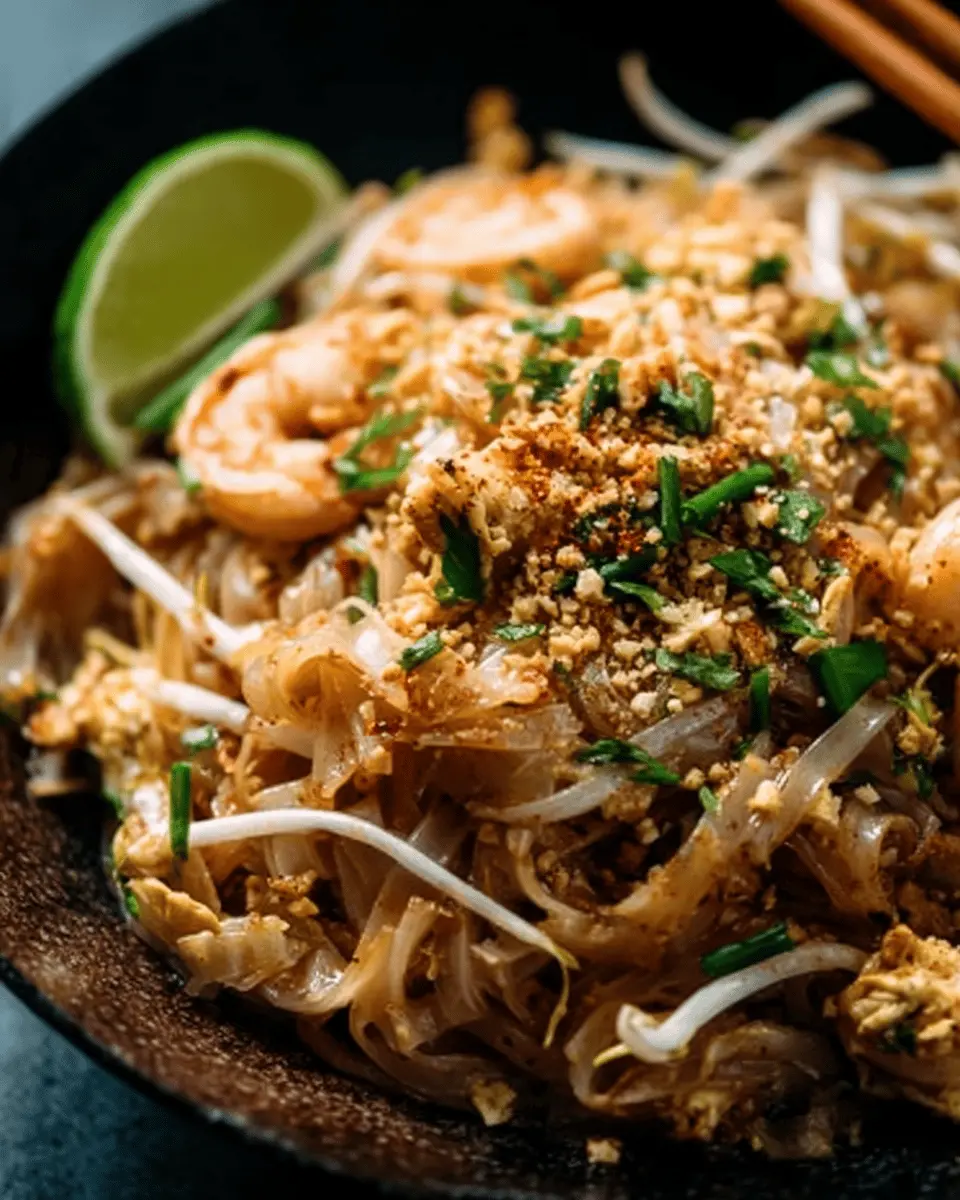
Serving Suggestions for Pad Thai
Traditional Accompaniments
When serving Pad Thai, traditional accompaniments can elevate your meal. Lime wedges are essential for that zesty finish, while a sprinkle of ground chili or cayenne pepper can kick up the heat. Don't forget to add extra bean sprouts for that delightful crunch and freshness. Pair with a refreshing Thai iced tea or a coconut smoothie for a complete dining experience.
Creative Serving Styles
If you're looking to impress, consider creative serving styles. Try plating your Pad Thai in a giant lettuce leaf for a fun, DIY wrap experience. Alternatively, serve it in a vibrant bowl topped with a rainbow of veggies like shredded carrots and sliced bell peppers. For a casual twist, use a crusty baguette as a dipper, scooping up the noodles for a unique touch.
For more inspiration, check out this article on Thai food pairings.
Time Breakdown for Pad Thai
Preparation Time
Getting ready to create your Pad Thai masterpiece is a breeze! Just set aside about 20 minutes to gather your ingredients and prep everything, so you’re ready for action.
Cooking Time
The magic happens in just 10 minutes of cooking! That’s right—sizzling, tossing, and mixing on high heat is all it takes to transform those ingredients into a delicious dish.
Total Time
From start to finish, you can enjoy a delightful plate of Pad Thai in only 30 minutes. Perfect for a quick weeknight dinner or impressing last-minute guests!
For more tips and tricks on making this delicious dish, check out this link for expert advice!
Nutritional Facts for Pad Thai
Calories per serving
A generous serving of Pad Thai contains around 400 calories, making it a satisfying meal without the guilt. This is an excellent option for lunch or dinner, especially if you combine it with fresh veggies.
Protein content
With approximately 30 grams of protein per serving, this Pad Thai recipe is a protein powerhouse thanks to the chicken and eggs. It provides the energy needed to keep you feeling full and fueled throughout your day.
Sodium comparison
In terms of sodium, Pad Thai typically has about 800 mg per serving. While this may be higher than some other meal options, using lower-sodium sauces can help you manage salt intake. Check out this guide on sodium levels for more insights!
FAQs about Pad Thai
What’s the secret to authentic flavor?
The secret to a truly authentic Pad Thai lies in its balance of flavors. The combination of tamarind, fish sauce, and brown sugar creates that signature tangy-sweet profile. Opt for premium ingredients, such as a good quality fish sauce, and don't shy away from adjusting the seasoning according to your taste. Fresh lime juice added just before serving can elevate the flavors even further.
Can I make Pad Thai ahead of time?
Yes! You can prepare most elements of Pad Thai ahead of time, but for the best texture, it’s best to cook the noodles and stir-fry just prior to serving. Prepping a day in advance can be a great time-saver. Just store the sauce separately and combine before serving.
How do I store leftovers?
To store your leftover Pad Thai, place it in an airtight container and refrigerate for up to three days. When reheating, add a splash of water to prevent the noodles from drying out. For more effective storage tips, check out resources on food safety.
With these tips, you're well on your way to enjoying delicious Pad Thai any day of the week!
Conclusion on Pad Thai
Why Making Pad Thai at Home is Rewarding
Creating a Pad Thai in your kitchen is not just about satisfying a craving; it’s an opportunity to explore the vibrant flavors of Thai cuisine. You control the ingredients, allowing for personalized touches that can accommodate dietary preferences. Plus, it’s incredibly quick to whip up, making it an ideal dish for busy weeknights. Enjoy the satisfaction of serving a beautiful dish that rivals your favorite takeout! Explore more Thai recipes to expand your culinary skills, and get ready to impress your friends with your homemade cuisine.
Pad Thai
Equipment
- Large bowl
- non-stick pan
- Colander
Ingredients
Noodles
- 125 g Chang’s Pad Thai dried rice sticks Best rice stick brand
Sauce
- 1.5 tablespoon tamarind puree Not concentrate
- 3 tablespoon brown sugar Packed
- 2 tablespoon fish sauce
- 1.5 tablespoon oyster sauce
Stir Fry
- 2-3 tablespoon vegetable or canola oil
- 0.5 onion sliced (brown, yellow)
- 2 cloves garlic finely chopped
- 150 g chicken breast or thigh thinly sliced
- 2 eggs lightly whisked
- 1.5 cups beansprouts
- 0.5 cup firm tofu cut into 3cm / 1 ¼″ batons
- 0.25 cup garlic chives cut into 3cm / 1 ¼″ pieces
- 0.25 cup finely chopped peanuts
For serving
- lime wedges essential
- ground chilli or cayenne pepper optional
- more beansprouts
Instructions
Preparation
- Place noodles in a large bowl, pour over plenty of boiling water. Soak for 5 minutes, then drain in a colander and quickly rinse under cold water.
- Mix Sauce in small bowl.
Cooking
- Heat 2 tablespoon oil in a large non-stick pan over high heat. Add garlic and onion, cook for 30 seconds.
- Add chicken and cook for 1 ½ minutes until mostly cooked through.
- Push to one side of the pan, pour egg in on the other side. Scramble, then mix into chicken.
- Add bean sprouts, tofu, noodles then Sauce.
- Toss gently for about 1 ½ minutes until Sauce is absorbed by the noodles.
- Add garlic chives and half the peanuts. Toss quickly then remove from heat.
- Serve immediately, sprinkled with remaining peanuts and lime wedges on the side.


Leave a Reply